
Updated on January 28, 2026
For years, many U.S. cities treated short-term rentals as a problem to be contained or eliminated altogether. But as high-stakes global events are poised to overwhelm their limited hotel capacity, a growing number of jurisdictions that severely restricted or banned short-term rentals have changed their tune. They’re testing a hybrid model that temporarily allows short-term rentals only for major events like the Sundance Film Festival, the FIFA World Cup, the Super Bowl, and the Olympics.
The shift reflects a recognition that when tens of thousands of guests arrive in their city, short-term rentals suddenly become a necessity, helping support community-wide economic gains no one wants to miss.
Although not a full embrace of short-term rentals, this approach reflects a reluctant acknowledgement of their role in hosting major events and reaping economic benefits. It also offers a brief window for hosts and advocates to show what short-term rentals can do for the community.
“Event-only permits give cities a rare opportunity to see short-term rentals operating under intentional rules rather than blanket restrictions,” said Dana Lubner, Director of Community Development at Rent Responsibly. “What often surprises policymakers is how manageable and beneficial the outcomes can be. That kind of real-world experience tends to be far more instructive than years of theoretical debate.”
Boulder’s ‘festival permit’ for Sundance
For years, short-term rentals in Park City, Utah, and surrounding areas played a key role in hosting tens of thousands of guests attending the Sundance Film Festival. Restaurants, businesses, and short-term rental hosts in Park City often earned enough profit during the festival to pay for their rent or mortgage for the entire year, a restaurant owner and caterer told SFGATE.
Sundance recently inked a 10-year contract starting in 2027 to hold the festival in Boulder, Colorado, and surrounding areas.
Boulder, which has restricted short-term rentals through licensing caps and owner-occupancy restrictions, saw the need to update its regulations to accommodate the gold-mine event. With that in mind, City Council members developed a new “festival lodging license.”
With this special permit, homeowners may rent out their properties for up to 29 days per year, but only for a single qualifying event, according to a staff memo. Those with this special license don’t have to meet Boulder’s owner-occupancy requirement, opening the way for second homes, accessory dwelling units, and primary residences to host guests during Sundance. The permit costs $190 and is valid for four years.
Ross Bowdey, Director of Airbnb and Midterm Rentals at Fox Property Management, said during a January 2026 livestream webinar that Boulder’s approach reflects a pragmatic shift that is rippling into nearby cities.
“This area has been very anti-short-term rentals,” Ross said, “but as we move into this, all these cities are starting to change that.”
In an attempt to professionalize short-term rentals during the event and present the city in its best light, Visit Boulder, the city’s convention and visitors bureau, also plans to launch a festival lodging program that refers homeowners to a short list of carefully screened property managers, Ross said.
Read more: Roundup: 2026 destination events that will draw short-term rental guests
Missouri cities’ World Cup exceptions
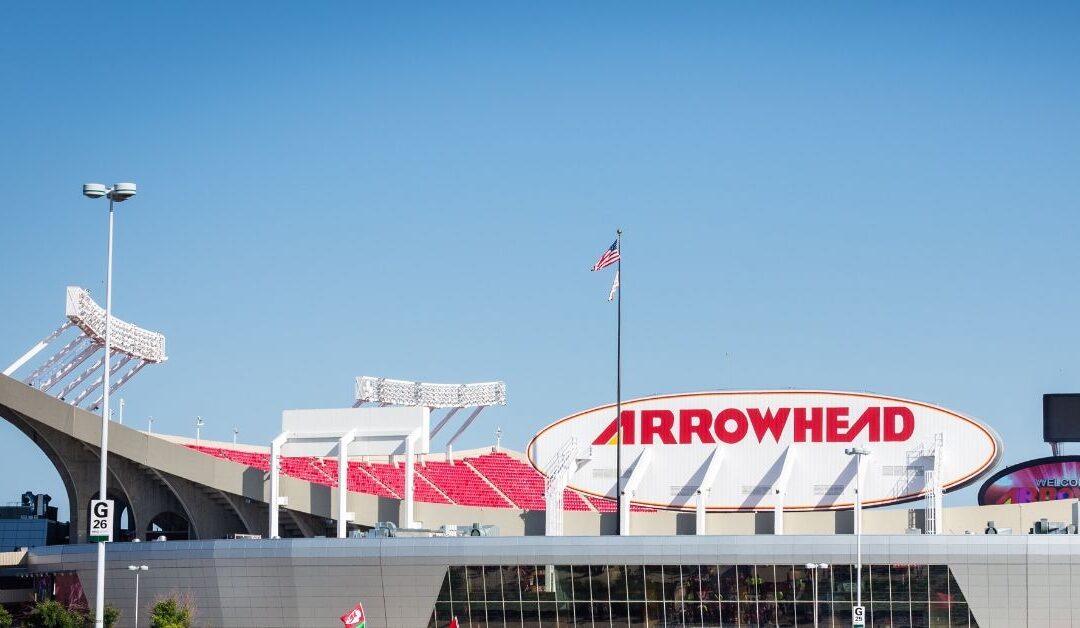
A number of Missouri cities are considering pilot programs or temporary exclusions in preparation for the 2026 FIFA World Cup, which will bring games to Kansas City.
The Independence City Council, for instance, unanimously voted to temporarily lift its short-term rental cap from June 1 to July 30, 2026, according to the Kansas City Star. The cap requires short-term rentals to be at least 500 feet apart, but under the temporary exclusion, there will be no limit.
Parkville also recently voted to lift its restrictions between May and July 2026. The town normally allows home-sharing only at properties where the owner lives onsite.
“We just want to get a little better known as a great place to visit,” Parkville Mayor Dean Katerndahl told KMBC News. “Hopefully, the residents will benefit economically, our restaurants and shops will benefit economically, and we’ll just be a part of this big, supposedly one-time event, at least for the Kansas City area.”
Read more: World Cup 2026 host cities revisit short-term rental rules
Los Angeles-area restriction rollbacks
In Los Angeles and Orange counties, California, cities are preparing for a major sports-event trifecta: the 2026 World Cup, the 2027 Super Bowl, and the 2028 Summer Olympics.
In Brea, in north Orange County, city leaders are considering a temporary short-term rental pilot program ahead of the Olympics, according to Voice of OC. Manhattan Beach, which has had a partial ban on short-term rentals since 2015, also considered temporarily allowing short-term rentals citywide during the World Cup. But the City Council defeated the legislation in a 3-to-1 vote on Jan. 20, 2026, despite staff estimates that the policy would significantly increase the city’s revenue and public surveys showing the majority of respondents supported the measure, MB News reported.

Meanwhile, a regional coalition of businesses and community organizations, called the Save Our Services Coalition, has started a campaign to urge the City of Los Angeles to allow short-term rentals during major events. They argue that the additional sales and transient occupancy tax revenue from short-term rentals could help address a $1 billion budget shortfall and support city services.
“By allowing a limited number of people to rent their second home to travelers, we can generate millions in new tourism revenue dedicated for the city’s long-term recovery – paid for by tourists, not taxpayers,” said Stuart Waldman, President of the Valley Industry Commerce Association, in comments reported by LAist.
Read more: How to welcome global guests inclusively during the FIFA World Cup
What the trend portends for the future
Allowing unlimited short-term rentals during large-scale events may not constitute a policy reversal, but these temporary reprieves do provide homeowners with an opportunity to earn money and demonstrate their ability to contribute to their community. Temporary permits also give advocates opportunities to educate hosts on best practices and help foster a positive reputation for short-term rentals as part of a city’s economic and lodging mix.
Read more: How short-term rental bans backfire
…
GET UPDATES